Contents
Overview
Jeju Island is South Korea's Hawaii — a volcanic island off the southern tip of the peninsula that draws 15 million visitors a year, predominantly Korean honeymooners, families, and domestic tourists. The combination of dramatic coastal scenery, Hallasan volcano, black lava beaches, and UNESCO recognition has made it one of the most-visited places in Korea without ever building a reputation as a nightlife destination.
The adult scene in Jeju is thin by any comparison to Seoul or Busan. The island's tourism economy runs on natural beauty and resort infrastructure rather than entertainment districts. Jeju City's Yeon-dong commercial zone has bars and some adult entertainment in the juicy bar format, but at a scale that reflects a holiday island rather than an urban entertainment centre. You can find a decent evening; you won't find a scene.
Where Jeju works: as a natural destination with drinking as a bonus. The volcanic coastline, sunrise at Seongsan Ilchulbong, the crater lakes, the haenyeo (female free divers) harvesting seafood from the sea — these are the reasons to be here. The seafood on Jeju — abalone, black pork, raw fish — is some of the best in Korea. Jungmun Resort on the south coast has beach and pool bar infrastructure appropriate for a holiday rather than a specific adult destination.
Two or three days works. Combine with Busan on the same trip rather than routing specifically to Jeju for nightlife.
Same framework as mainland Korea. Adult entertainment operates in the same tolerated grey area.
Red Light Districts
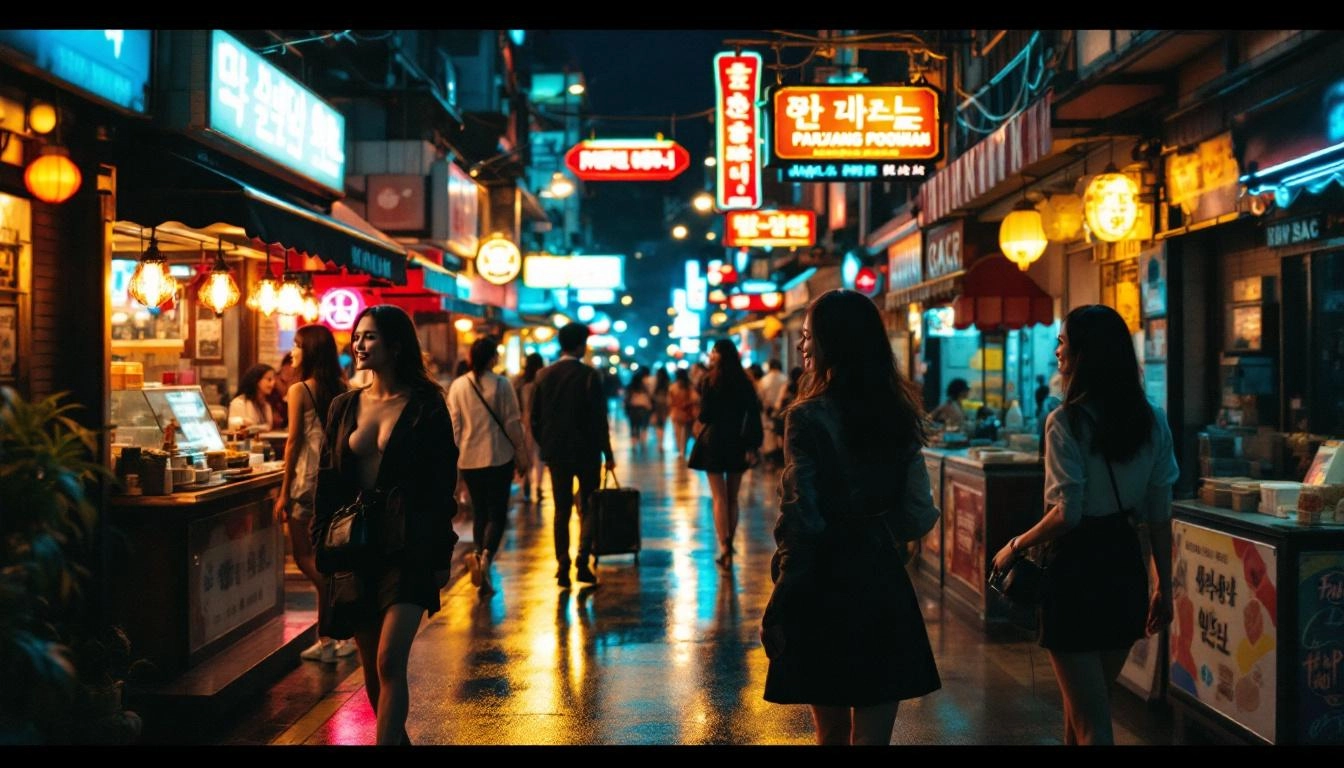
Jeju City / Yeon-dong
Bars, Juicy Bars, RestaurantsYeon-dong is Jeju City's main commercial and entertainment zone — the cluster of bars, restaurants, and nightlife venues that serves the island's visitor population concentrated in a walkable area near the airport. The bar density is modest: a few blocks of drinking establishments that work for a holiday evening without constituting a nightlife district.
The juicy bar format exists here at small scale — a handful of venues in the Yeon-dong area operating the familiar Korean model. Less concentrated and less easy to locate than Itaewon or Seomyeon; findable with some walking. The crowd in Jeju's bars is a mix of Korean domestic tourists (families and couples by day, younger visitors by night) and the occasional foreign visitor.
For a standard evening: Yeon-dong has enough options to fill a night without effort. Multiple restaurants, bars, and pojangmacha (street food tents) operating until late. Not a destination in itself but functional as the evening base for an island trip.
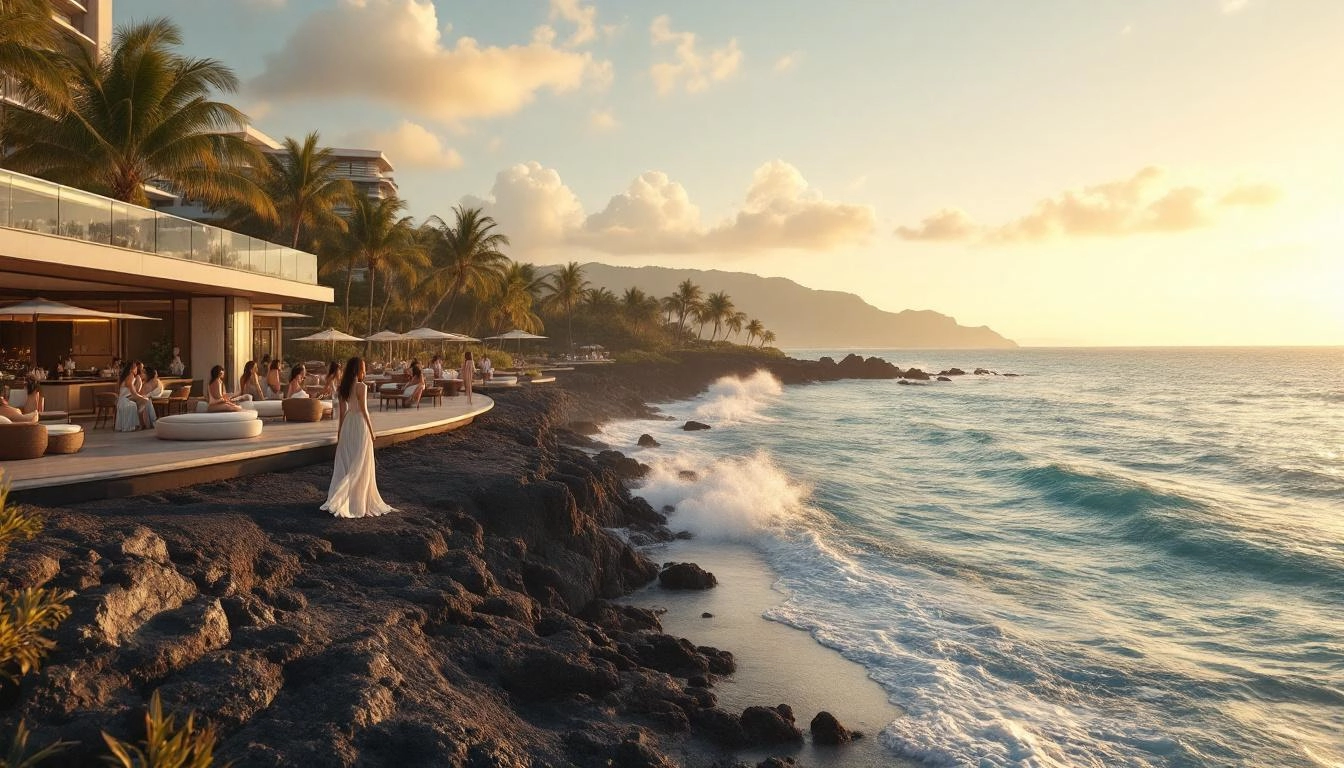
Jungmun / South Coast
Resort Bars, Pool Bars, Hotel ClubsThe Jungmun Resort Complex on Jeju's south coast is where the island's upscale tourism infrastructure concentrates — five-star hotels, the Teddy Bear Museum, Cheonjeyeon Waterfalls, and beach and pool bar facilities appropriate for a holiday rather than a nightlife trip.
The bars and clubs at the resort hotels serve the guest population: cocktails at the pool, beachside drinks at sunset, hotel nightclub nights on weekends in peak season. Not the kind of venue infrastructure that rewards bar-hopping — more of a contained resort experience where the hotel is the entertainment.
The south coast scenery is the draw: the volcanic cliffs at Jungmun Beach, the Jusangjeolli basalt columns, and the sunset views over the sea from the resort headland. Worth a day trip from Jeju City even if you're not staying here.
Map
Cost Guide
| Item | Low | High |
|---|---|---|
| Beer (GoGo bar) | 100 THB | 150 THB |
| Lady drink | 150 THB | 200 THB |
| Barfine (Cowboy) | 600 THB | 900 THB |
| Barfine (Nana) | 700 THB | 1,000 THB |
| Short time | 1,500 THB | 2,500 THB |
| Long time | 2,500 THB | 4,000 THB |
| Thai massage (1hr) | 300 THB | 500 THB |
Jeju runs an island premium on accommodation — 20–30% more expensive than comparable mainland hotels. Beer at a bar 5,000–8,000 KRW. Jeju black pork BBQ 15,000–25,000 KRW per person. Abalone seafood 20,000–50,000 KRW per person depending on the establishment.
Accommodation: guesthouses from 40,000 KRW, mid-range hotels 80,000–150,000 KRW, resort hotels at Jungmun from 200,000 KRW.
Ladyboy Scene
No organised transgender adult entertainment scene on Jeju.
Where to Stay
Jeju City for the bar scene and central access to the island. Jungmun Resort area for the beach and resort experience but removed from any nightlife. Seogwipo (south coast) is scenic and quieter — best for couples and nature-focused visitors.
Safety & Scams
Bangkok is safe for tourists. The risks are almost entirely financial — know the scams before you land.
Jeju is extremely safe — one of the safest places in Korea. The island has a lower crime rate than any major Korean city. Standard awareness applies in the bar zone at night.
Tourist police hotline: 1155. English speakers available 24/7.
Getting Around
Jeju International Airport is 10 minutes from central Jeju City. Taxis and Kakao T cover the city easily. Renting a car is the right move for exploring the island — public buses cover the main coastal road but the crater hikes and interior areas require flexibility.
Jeju City to Jungmun Resort (south coast) is 35km — 40 minutes by car, 1 hour by bus.
Best Time to Go
April to June and September to October are the best windows — mild temperatures (18–26°C), low humidity, the island's vegetation at its best. Cherry blossom season (late March to early April) is spectacular but crowded.
July and August are peak domestic tourist season — the island is extremely busy, accommodation prices spike, and the beaches are crowded. Still beautiful but budget for the premium. Winter (December–February) is cool (5–12°C) and quiet — the hiking is good, the crowds are gone, and prices drop.
Cannabis
Thailand legalised recreational cannabis in 2022 — the first country in Southeast Asia to do so.
Illegal in South Korea, severe penalties. Same position as Seoul and Busan.