Contents
Overview
Kyoto is the wrong city to visit primarily for the adult scene and the right city to visit for almost everything else. The former imperial capital has 1,600 temples, 400 shrines, some of the best traditional Japanese food in the country, and the geisha districts of Gion and Pontocho — which are the most culturally specific form of adult entertainment in Japan, and among the most inaccessible.
The geisha system (geiko and maiko in Kyoto dialect) operates through ochaya — private teahouses — where banquets are arranged by introduction only. You cannot walk in off the street, you cannot book online, and you cannot access it without a Japanese contact who vouches for you to an okiya (geisha house). An evening of ozashiki entertainment — geisha performing, pouring drinks, playing games — costs 50,000–100,000 JPY per person and is one of the most rarefied experiences in Japan. Not P4P in any conventional sense: the geisha perform, they don't provide sexual services.
What's accessible: Pontocho Alley has a strip of bars and hostess-adjacent establishments that operate more like the Osaka/Tokyo hostess bar format. Kawaramachi is the general nightlife zone — clubs, bars, and late-night food. Gion itself has some hostess bars in the streets around the ochaya district that operate independently of the traditional system.
Set the right expectations. Kyoto rewards a visitor who treats it as a cultural and culinary destination with nightlife attached, not as a primary adult entertainment stop.
Same national framework as all Japanese cities. The traditional geisha system is not subject to Entertainment Business Law in the same way as hostess clubs — it operates as cultural performance. Hostess bars in Gion and Pontocho are regulated normally.
Red Light Districts
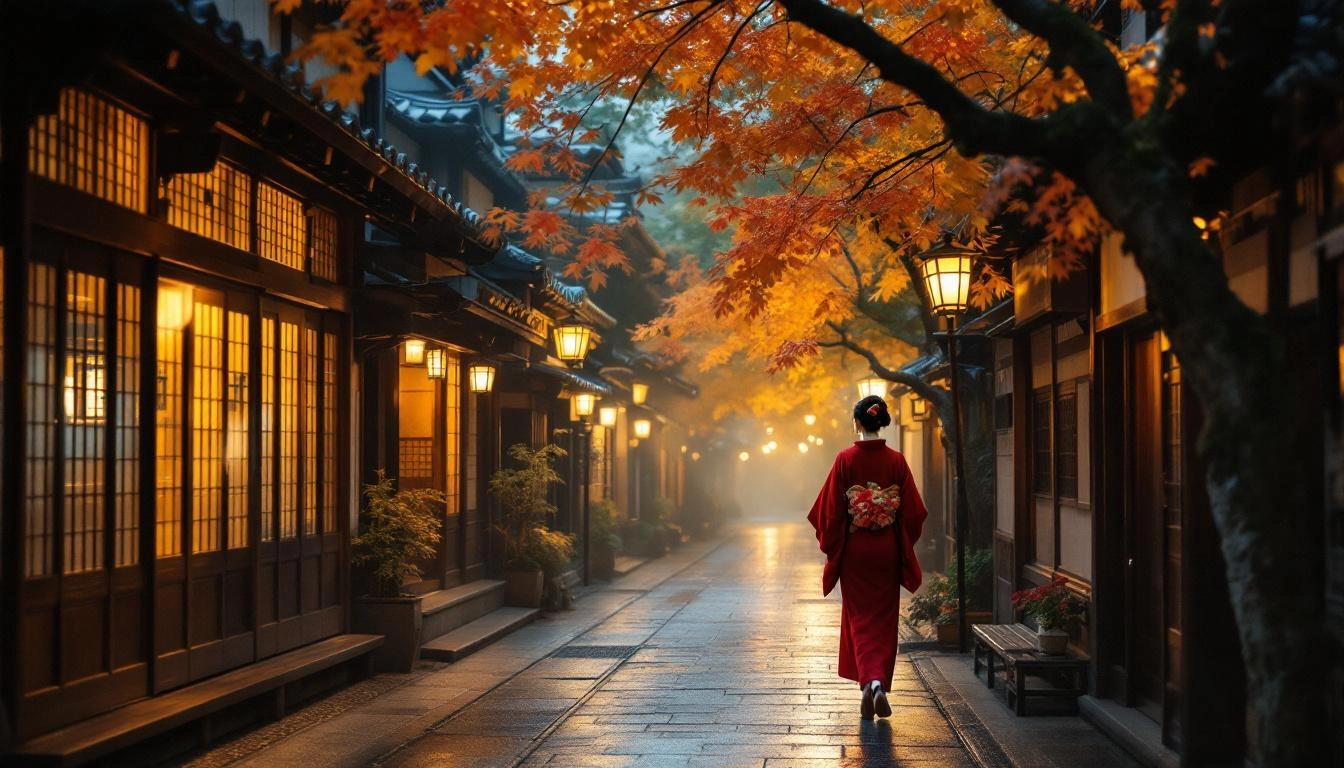
Gion / Hanamachi
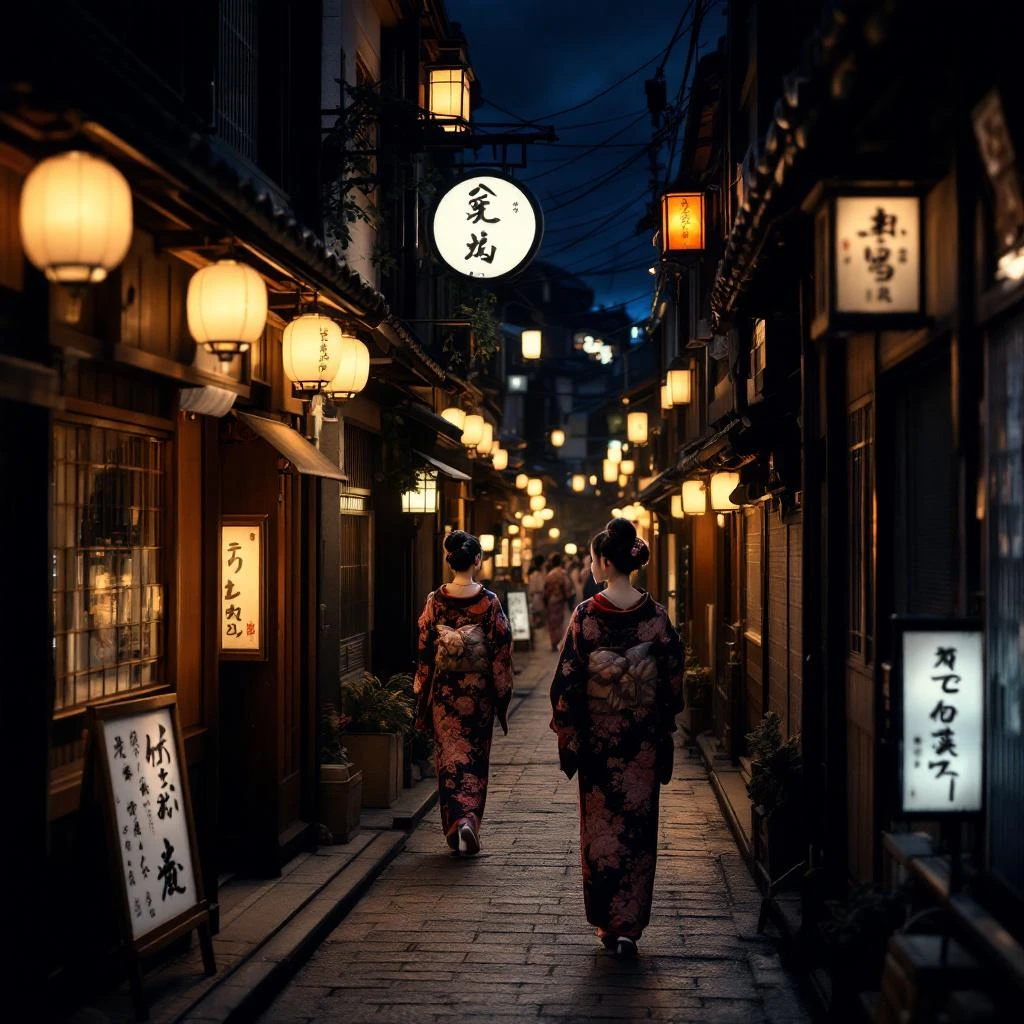
Geisha District, Hostess Bars, Traditional BarsGion is Kyoto's most famous geisha district and one of the best-preserved traditional urban environments in Japan. The main street, Hanamikoji-dori, is lined with ochaya (teahouses) behind wooden lattice facades, and in the early evening you will occasionally see geiko or maiko moving between appointments in full regalia.
Accessing the traditional ochaya system requires a Japanese introduction — walk-in booking does not exist. What is accessible independently: several hostess bars in the streets around Hanamikoji operate in a more conventional format, some of them catering to foreign visitors. The gap between the ochaya experience and the accessible hostess bars is vast in price, exclusivity, and cultural depth.
Gion is worth visiting regardless of entertainment intent. The architecture, the atmosphere at dusk, and the quality of the restaurants make it one of the most genuinely beautiful urban environments in Asia. The adult entertainment context is secondary to the cultural one here more than anywhere else in this guide.
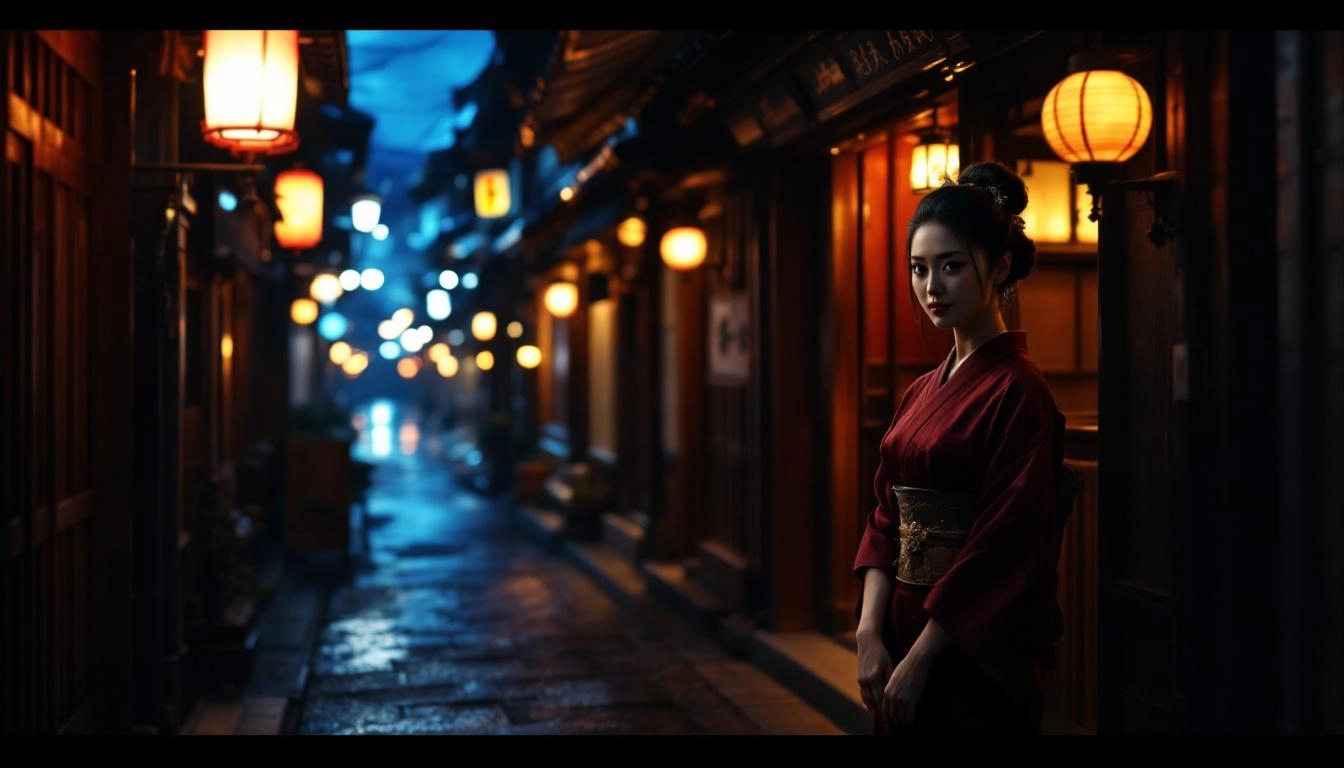
Pontocho
Hostess Bars, Izakayas, BarsPontocho is a 500-metre covered alley running parallel to the Kamo River between Sanjo and Shijo streets — arguably the most atmospheric bar street in Japan. Narrow enough that diners spill from restaurant balconies on both sides overhead, lined with traditional facades, and operating at a scale that forces slow movement and close attention.
The bar and hostess bar density here is high. Ground-floor establishments range from traditional izakayas to foreigner-accessible hostess bars that operate with enough English to navigate. The Kamo River end of Pontocho, along Kiyamachi-dori, extends the zone into a cluster of bars and clubs that runs later and louder.
Pontocho is the most functional adult entertainment access point in Kyoto for foreign visitors. A hostess session in a Pontocho bar runs 6,000–12,000 JPY. The atmosphere alone — lantern-lit alley, sound of the river, Kyoto autumn air — is worth the evening regardless of what you do with it.
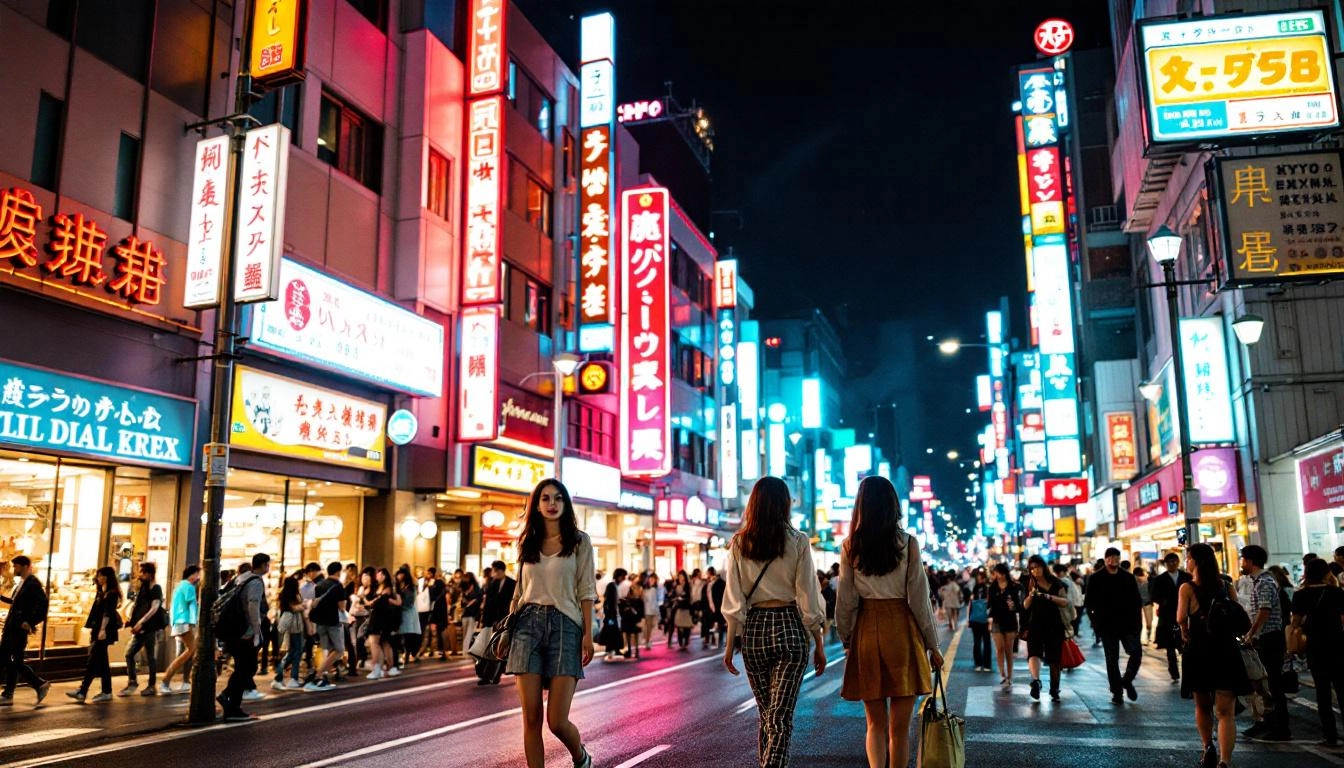
Kawaramachi
Bars, Clubs, IzakayasKawaramachi is Kyoto's main commercial and entertainment spine — the intersection of Shijo-dori and Kawaramachi-dori is the busiest pedestrian junction in the city, lined with department stores, restaurants, and the bars and clubs that serve the university-age and young professional population.
The nightlife here is more accessible and less culturally specific than Gion or Pontocho — standard bars, some clubs, and the kind of foreigner-friendly establishments that appear in any Japanese city with a significant tourist traffic. Kiyamachi-dori, running parallel one block west, has the densest bar concentration in this zone.
For visitors: Kawaramachi is the practical evening base — easy to navigate, good food options at every price point, and late enough hours to constitute a proper night out. Less atmospheric than Pontocho but more functional for anyone not specifically seeking the hostess bar format.
Map
Cost Guide
| Item | Low | High |
|---|---|---|
| Beer (GoGo bar) | 100 THB | 150 THB |
| Lady drink | 150 THB | 200 THB |
| Barfine (Cowboy) | 600 THB | 900 THB |
| Barfine (Nana) | 700 THB | 1,000 THB |
| Short time | 1,500 THB | 2,500 THB |
| Long time | 2,500 THB | 4,000 THB |
| Thai massage (1hr) | 300 THB | 500 THB |
Kyoto sits between Tokyo and Osaka on cost. Standard bar drinks run 600–1,000 JPY. Restaurant meals vary enormously — street food around Nishiki Market at 200–500 JPY per item, kaiseki multi-course dinners at 10,000–30,000 JPY per person.
Hostess bars in the accessible zones run 6,000–15,000 JPY for a session. Geisha ozashiki if you can access it: 50,000–100,000 JPY per person. Accommodation: budget guesthouses and hostels from 3,000 JPY, mid-range hotels 10,000–20,000 JPY, traditional ryokan from 20,000 JPY per person.
Ladyboy Scene
No organised transgender entertainment scene. Kyoto is a conservative city by Japanese standards. Some presence in the general bar scene but not at a scale worth noting.
Where to Stay
Central Kyoto around Kawaramachi or Gion puts you walkable to both entertainment zones. The area around Shijo-Kawaramachi is the best balance: convenient for Pontocho, Gion, and the subway network.
Ryokan stays near Higashiyama are worth it for the cultural experience — traditional rooms, kaiseki breakfast, onsen if available. Book well in advance for peak season.
Safety & Scams
Bangkok is safe for tourists. The risks are almost entirely financial — know the scams before you land.
Kyoto is extremely safe — one of the safest cities in Japan, which is already one of the safest countries in the world. Violent crime against tourists is essentially non-existent. The main risks are financial: undisclosed charges in hostess bars, overpriced tourist traps around the major shrine districts.
Gion late at night has periodic issues with drunk tourists photographing geisha and maiko in the streets — this is actively discouraged by the city and geisha community, not a safety issue for visitors but a note on local etiquette.
Tourist police hotline: 1155. English speakers available 24/7.
Getting Around
Kyoto's bus network covers most tourist destinations but can be slow. The subway has two lines (Karasuma north-south, Tozai east-west) that cover the main zones. Gion is Gion-Shijo station on the Keihan line. Pontocho and Kawaramachi are a 5-minute walk from Gion-Shijo.
Taxis are reliable and metered. IC card handles all transport. Kyoto is also very cyclable — rental bikes are available near the station for 1,000 JPY/day.
Best Time to Go
Cherry blossom (late March to mid-April) and autumn foliage (mid-October to late November) are peak season — the city is at its most beautiful and most crowded. Accommodation books out months in advance and prices double.
June brings the rainy season — atmospheric but wet. July and August are hot and humid (32–36°C) with major festivals (Gion Matsuri in July is one of Japan's largest). Winter is cold (3–8°C) but clear, uncrowded, and the temples are worth it.
Cannabis
Thailand legalised recreational cannabis in 2022 — the first country in Southeast Asia to do so.
Illegal in Japan, zero tolerance, up to 5 years imprisonment. Same position as all Japanese cities.