Contents
Overview
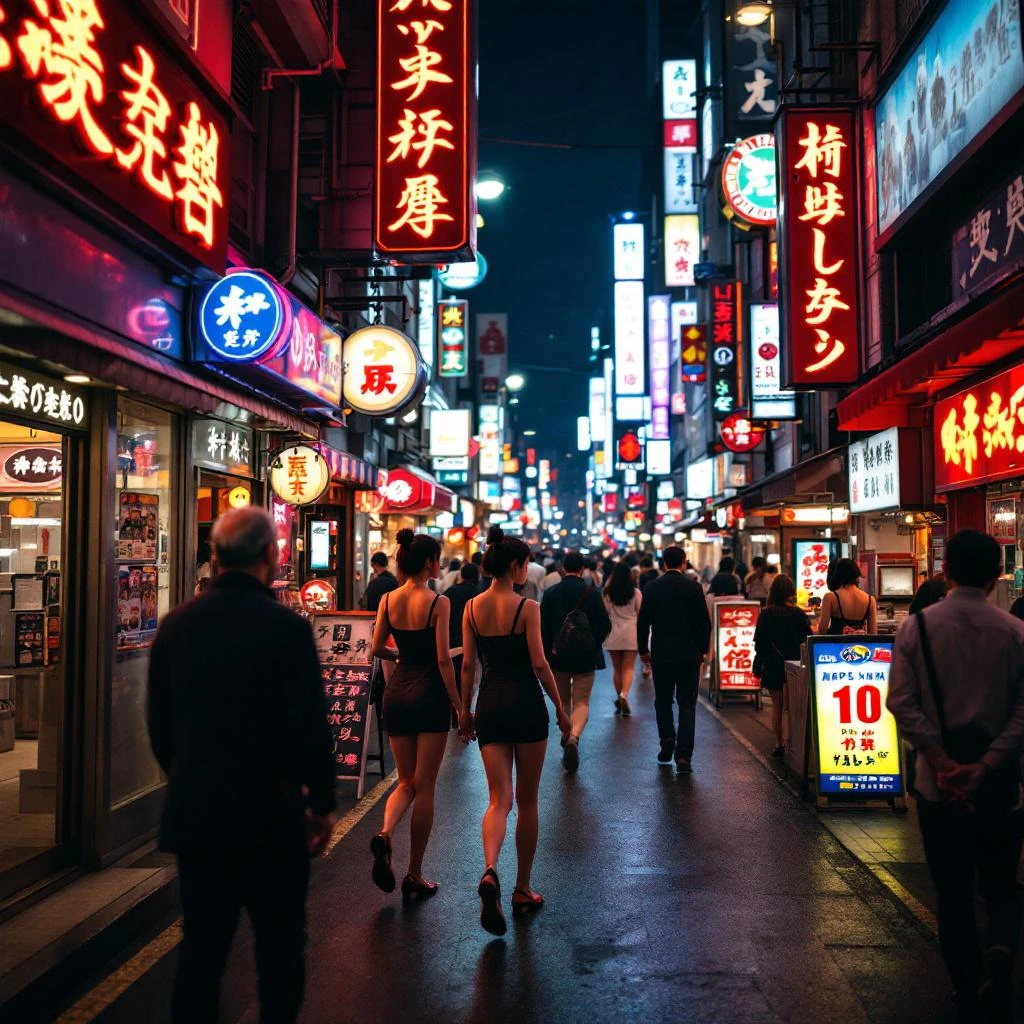
Tokyo's adult entertainment scene is the largest and most segmented in the world. Shinjuku's Kabukicho district contains more bars, clubs, hostess establishments, and entertainment venues in a square kilometre than anywhere else on earth. The infrastructure is staggering — buildings stacked fifteen floors high, each floor a different category of venue, the whole district running until dawn. Walking through it the first time is disorienting not because it's threatening but because the sheer scale of it is hard to absorb.
The industry operates on a strict tier system. At the top are the hostess clubs — places where immaculately dressed women pour whiskey, make conversation, light cigarettes, and charge by the hour for the privilege. A serious night in a hostess club in Kabukicho runs $300–800 per person. Below that are cabaret clubs, image clubs, and at the bottom of the price scale, soaplands — the bathhouse category where full service has been an open secret for decades.
The foreigner experience in Tokyo's adult scene is more restricted than the advertising suggests. Many establishments operate a members-only or Japanese-guest-only policy. Kabukicho has worked to address this somewhat but the deeper you go into the scene, the more Japanese contacts help. Roppongi is the more foreigner-accessible alternative: less authentic, more expensive, but English-speaking staff and no door policy issues.
Don't visit Tokyo expecting Bangkok prices or Bangkok accessibility. Budget $200 minimum for a serious night, don't expect to walk into the first place you see, and learn to read the situation before committing to a venue. The reward is a scene that operates at a level of professionalism and quality that doesn't exist anywhere else.
Adult entertainment operates in a complex legal grey area. Prostitution is technically illegal but the industry functions through defined service categories. Soaplands, image clubs, and fashion health establishments each operate under specific legal frameworks.
Red Light Districts
Kabukicho
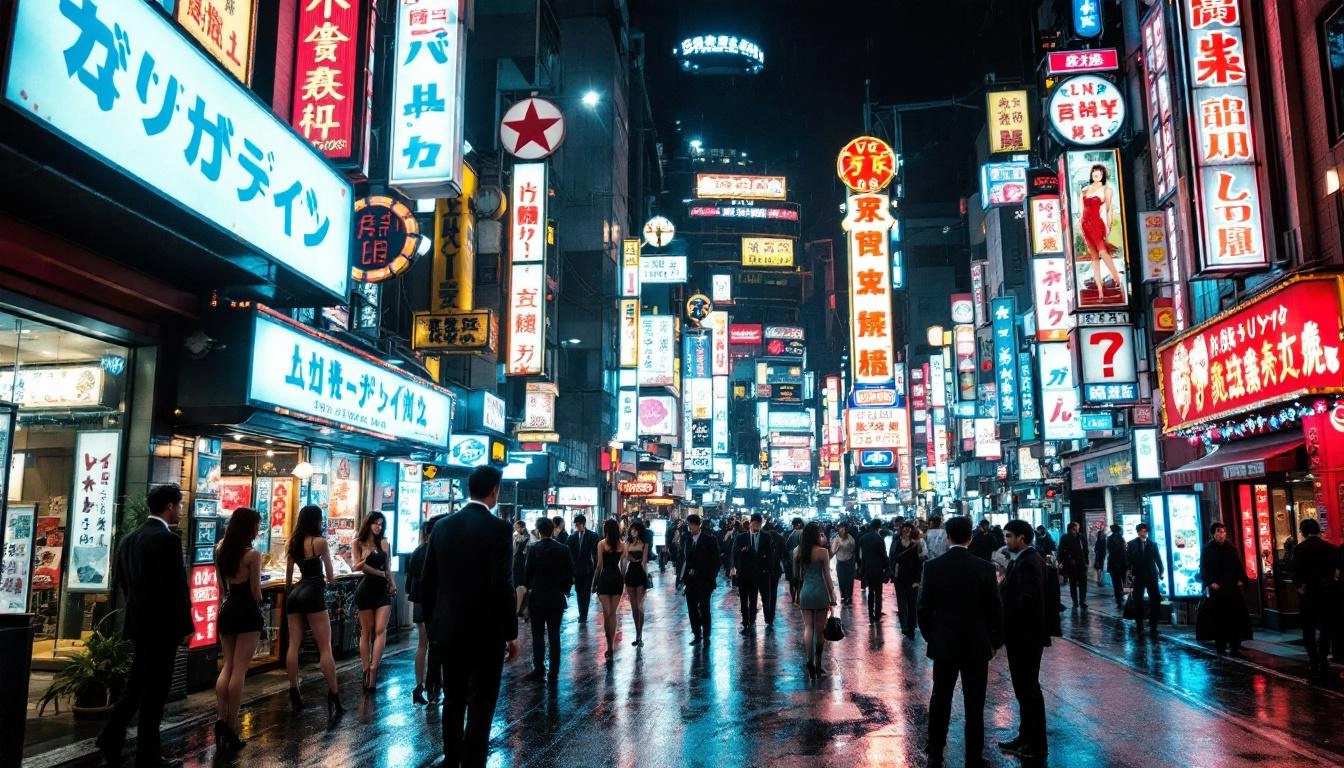
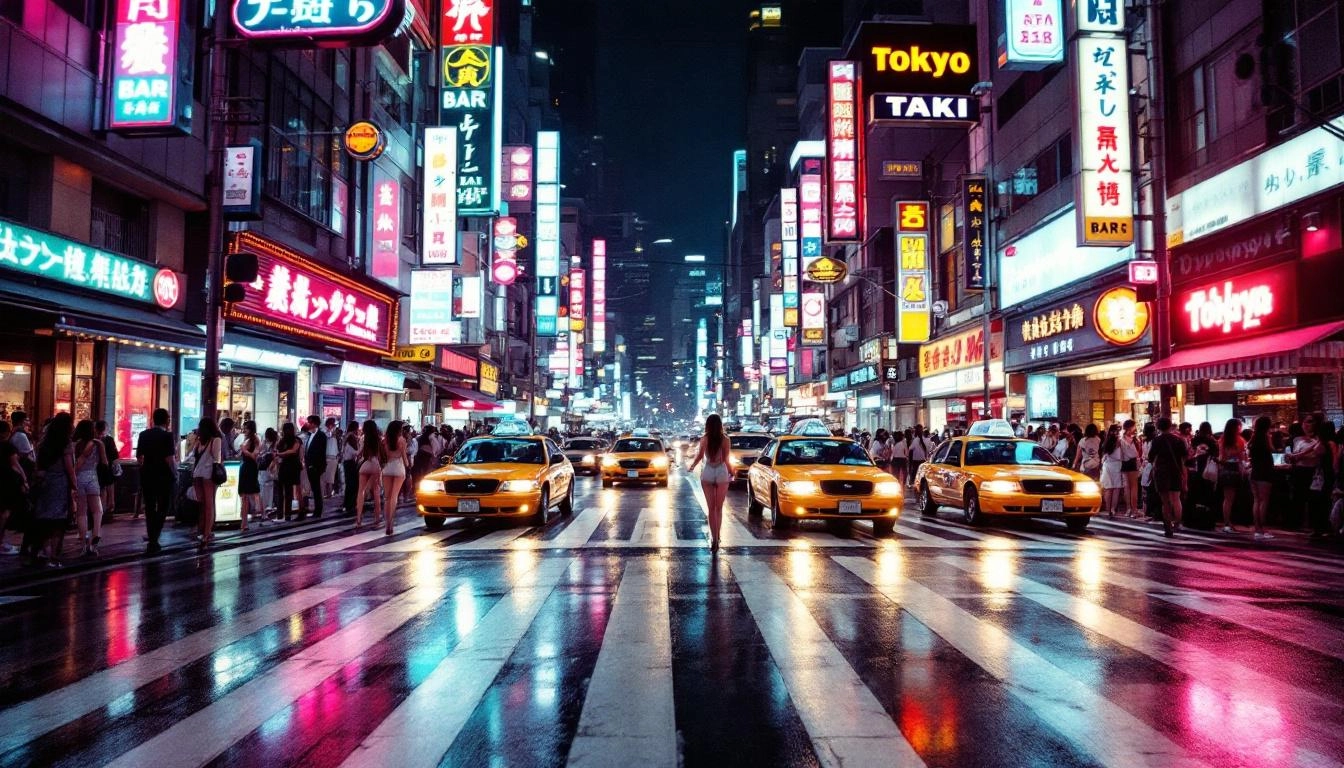
Hostess Clubs, Image Clubs, Soaplands, BarsKabukicho is the largest red-light district in Asia — a square kilometre of concentrated entertainment in Shinjuku that runs from dusk until dawn. Hostess clubs, cabarets, image clubs, soaplands, and regular bars occupy every floor of every building. The scale is staggering and genuinely disorienting on first visit.
The foreigner experience here is uneven. The ground-floor bars are mostly accessible; the hostess clubs and upper-floor venues often require a Japanese companion or contact to enter. English-speaking touts do approach visitors near the entrance — the venues they recommend are invariably tourist-priced. Walk past them and explore independently.
Kabukicho peaks from 9pm to 3am. It's safer than it looks and safer than its reputation suggests — the organized crime presence that defined it decades ago has reduced significantly. The main risk is financial, not physical. Confirm all prices before entering anywhere.
Yoshiwara
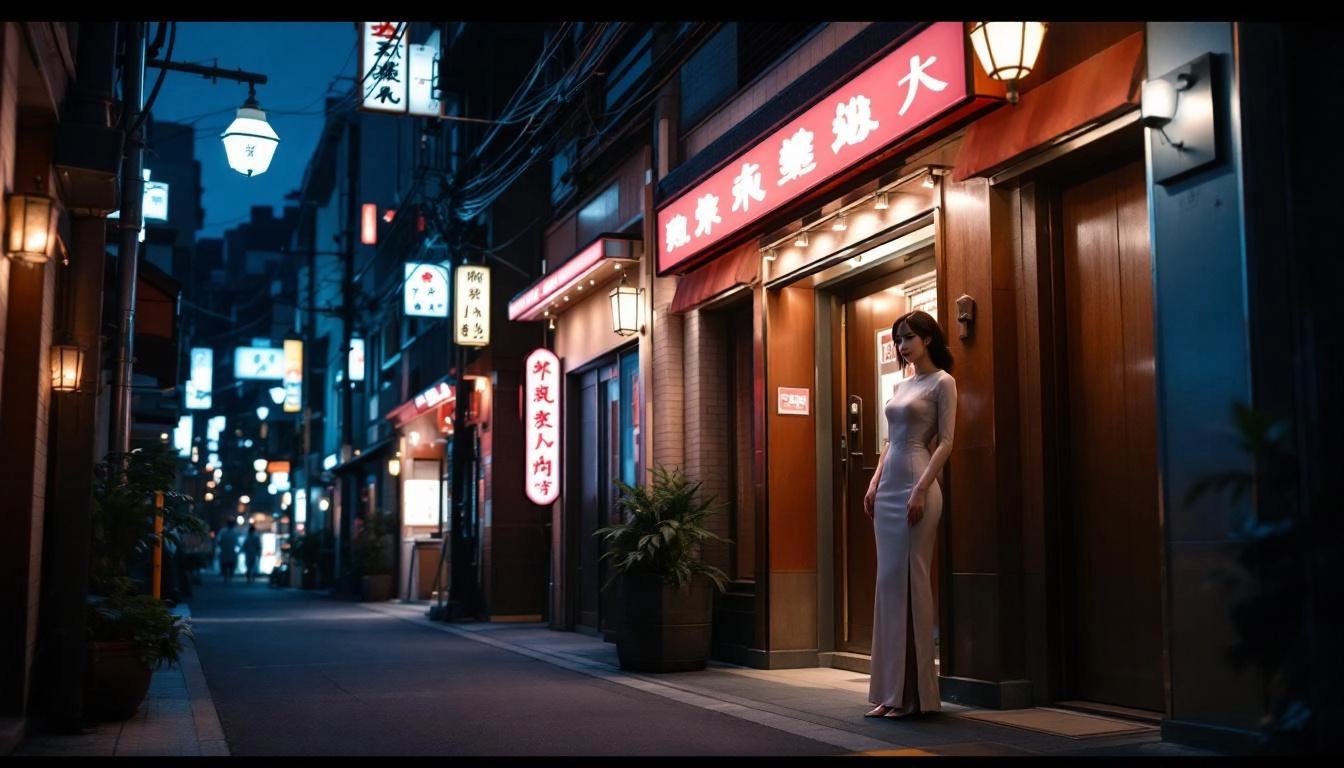
SoaplandsYoshiwara is Tokyo's designated soapland district in Minami-Senju, north of the city centre — a 20-minute metro ride from Shinjuku. It's the oldest and most established of Tokyo's adult entertainment zones, operating since the Edo period in various forms. Today it houses over 60 soapland establishments in a concentrated area.
Soaplands charge by the session rather than by time spent. Entry pricing starts around 15,000 JPY for the basic tier and climbs to 60,000 JPY for premium establishments. The women working here are professionals in the Japanese sense — service is conducted with the same care and attention to detail that characterises everything else in Japanese professional culture.
Foreigner access to Yoshiwara soaplands is inconsistent — some establishments accept foreign customers, many do not. Going with a Japanese-speaking companion significantly increases access. Yoshiwara operates more discreetly than Kabukicho; the street-level signage is modest and the whole area has a quiet, businesslike atmosphere.
Roppongi
Bars, Clubs, Hostess BarsRoppongi is the foreigner district — the place where Tokyo's adult scene is most accessible to visitors who don't speak Japanese and don't have local contacts. The bars are English-friendly, the staff expect foreign customers, and there are no door policy issues. The trade-off is price: Roppongi runs expensive across the board.
The entertainment on offer here ranges from regular bars and clubs to hostess-style venues that are specifically set up for foreigner customers. The quality is lower than the best of Kabukicho but the access is much easier. Roppongi Hills and the surrounding blocks have a concentration of venues that are internationally recognisable in format if not in price.
Roppongi peaks from 10pm to 4am on weekends. It has a reputation for being rough around the edges in certain blocks — African touts are aggressive on some streets, and the area immediately around Roppongi crossing can feel chaotic late at night. Stay aware of your surroundings and don't accept drinks from strangers.
Map
Cost Guide
| Item | Low | High |
|---|---|---|
| Beer (GoGo bar) | 100 THB | 150 THB |
| Lady drink | 150 THB | 200 THB |
| Barfine (Cowboy) | 600 THB | 900 THB |
| Barfine (Nana) | 700 THB | 1,000 THB |
| Short time | 1,500 THB | 2,500 THB |
| Long time | 2,500 THB | 4,000 THB |
| Thai massage (1hr) | 300 THB | 500 THB |
Tokyo is the most expensive city in this guide. A beer in a hostess club runs 1,500–3,000 JPY. An hour of a hostess's time costs 5,000–15,000 JPY on top. A soapland in Yoshiwara starts at 15,000 JPY and goes to 60,000 JPY for premium.
Regular bar beer: 800–1,500 JPY. Budget $200–300 minimum for a night near the adult venues. Accommodation in central Shinjuku runs $80–150 per night.
Ladyboy Scene
Newhalf bars are well-established in Shinjuku — a specific cluster of venues in the Kabukicho area caters to both Japanese men and foreign visitors. They operate similarly to hostess bars: you buy drinks, pay for company, negotiate further.
The performers tend to be post-op or well into transition — the Japanese aesthetic for this category leans toward the highly polished and convincing. Prices are roughly equivalent to mainstream hostess establishments.
Where to Stay
Shinjuku is the right base for Kabukicho — the east exit puts you five minutes from the entrance. Staying anywhere between Shinjuku and Takadanobaba means you're never more than a short walk from the action.
Roppongi is the alternative for foreigner-friendly bars. It's a 15-minute metro ride from Shinjuku, more expensive, and better for someone who wants a mix of regular nightlife without dealing with Japanese-only policies.
Safety & Scams
Bangkok is safe for tourists. The risks are almost entirely financial — know the scams before you land.
Tokyo is one of the safest cities in the world. Violent crime against tourists is vanishingly rare. The main risks are financial — overpriced venues and pricing misunderstandings.
Always confirm pricing before entering any establishment. Ask clearly: what is the cover charge, what does one drink cost, what is the table charge. If staff won't give a clear answer upfront, walk away. Touts in Kabukicho approach visitors with laminated menus — these venues are without exception tourist traps.
Tourist police hotline: 1155. English speakers available 24/7.
Getting Around
Tokyo's public transport is the best in the world. The JR and metro networks cover every neighbourhood and run until around midnight on weekdays and 1am on weekends. Buy a Suica or Pasmo card at any station on arrival.
After midnight, taxis are metered and honest but expensive — a 20-minute ride across Shinjuku runs 2,000–4,000 JPY. Uber operates but is limited; taxis are more reliable for late-night pickups.
Best Time to Go
Tokyo doesn't have a nightlife season — the bars run year-round. The variable is weather and the broader travel context.
March–April is cherry blossom season: crowded, expensive, beautiful. October–November is the best window: comfortable temperatures (15–22°C), lower crowds, autumn leaves. Summer (June–September) is hot and humid at 30–35°C. Winter (December–February) is cold (0–8°C) but dry and clear.
Cannabis
Thailand legalised recreational cannabis in 2022 — the first country in Southeast Asia to do so.
Cannabis is illegal in Japan and treated seriously. Possession carries a penalty of up to five years in prison. There is no tolerance, no grey area, and no tourist exemption. Do not bring it, buy it, or look for it.
Venues in Tokyo