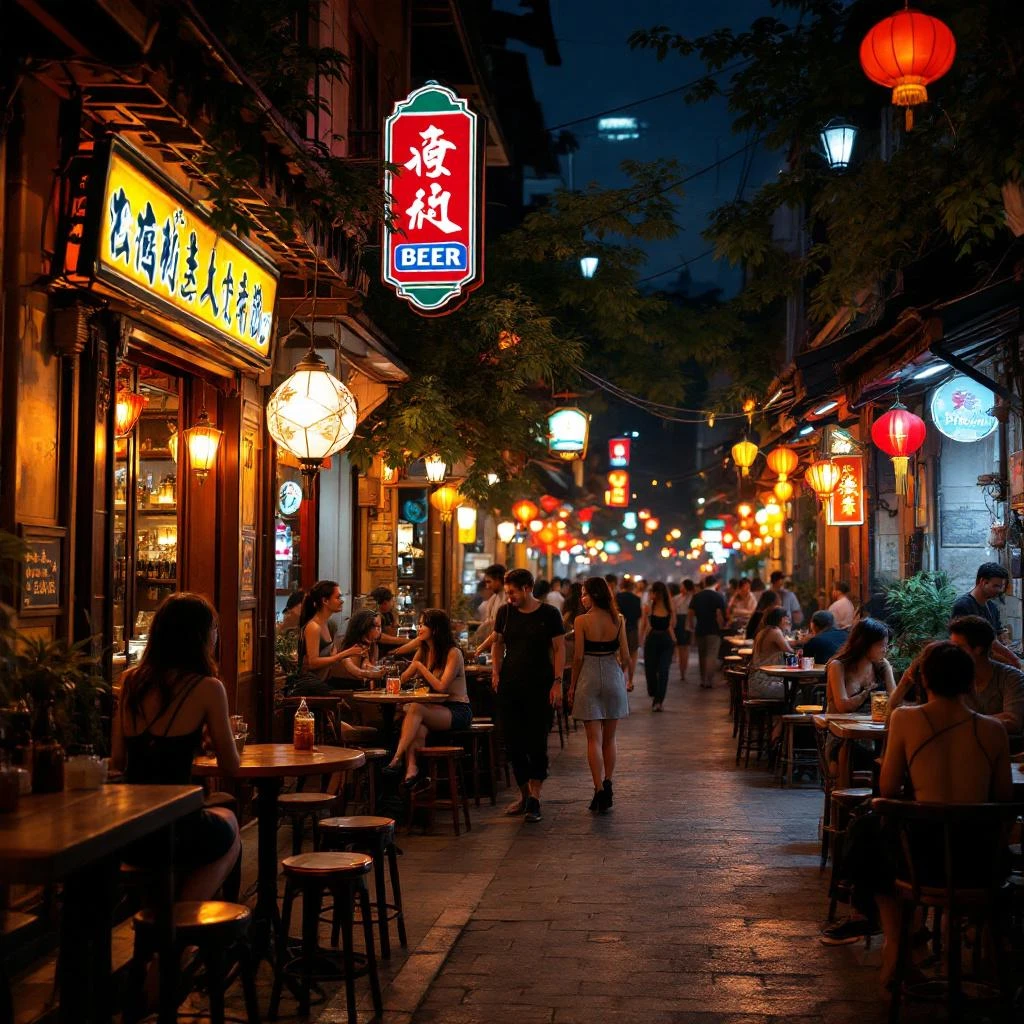
Contents
Overview
Hanoi is not Ho Chi Minh City. The adult scene here is smaller, less accessible, more local-facing, and embedded in a city that has a different character entirely — older, slower, more Chinese in its urban layout, with a colonial French overlay on top. The Old Quarter's warren of streets has been drawing foreign visitors for decades, and the bar scene that grew up around Ta Hien Street and the surrounding blocks is the most functional access point for the arriving tourist.
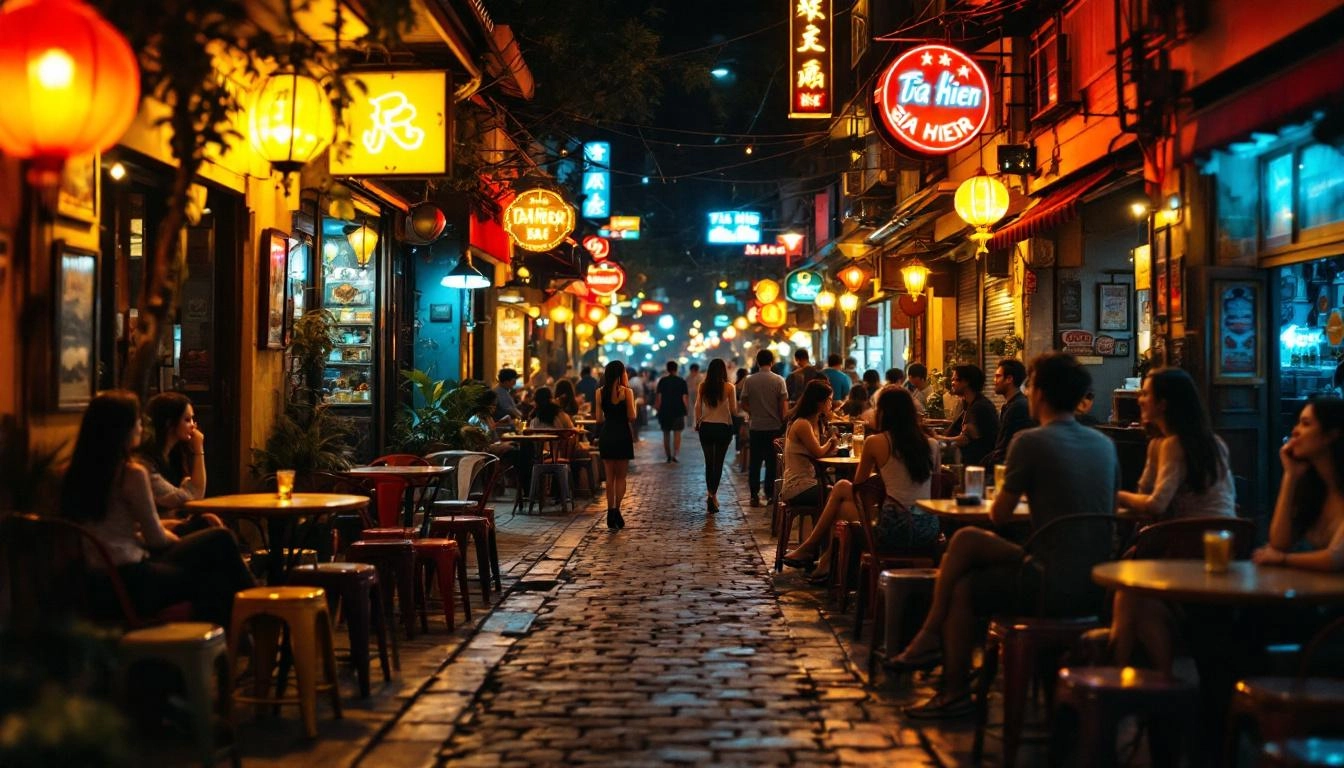
Ta Hien is the backbone: a 150-metre street in the Old Quarter that concentrates cheap street beer (bia hoi), open-fronted bars, and the easy mixing of locals and foreigners that makes Hanoi's nightlife more genuinely social than Saigon's. You're not looking for an explicit P4P strip here — Ta Hien is bars in the conventional sense, with the attendant possibilities that implies.
The dedicated adult infrastructure — massage shops, KTVs — exists but is harder to find and less foreigner-accessible than HCMC. Most of the KTV circuit caters to Vietnamese and Korean businessmen; the massage scene includes both legitimate and gray-area establishments, concentrated around the Old Quarter perimeter and the Tay Ho (West Lake) expat zone.
Set realistic expectations: Hanoi is worth visiting as a city first. The food is outstanding (bun cha, pho, bun rieu), the Old Quarter is genuinely atmospheric, and the French colonial architecture in the museum district gives the city a look that distinguishes it from every other capital in Southeast Asia. The nightlife is secondary here in a way it isn't in Saigon.
Same legal framework as Ho Chi Minh City — prostitution illegal, scene operates through massage and KTV formats with legal deniability. The smaller scale and more conservative social atmosphere means enforcement is somewhat less predictable than in HCMC.
Red Light Districts
Ta Hien / Old Quarter
Bia Hoi, Backpacker Bars, Live MusicTa Hien Street — nicknamed "Bia Hoi Corner" at its Luong Ngoc Quyen intersection — is Hanoi's most concentrated nightlife zone and the most accessible entry point for foreign visitors. The format is straightforward: plastic stools on the pavement, bia hoi (fresh brewed beer, ~10,000 VND per glass) dispensed from kegs, and a crowd that runs from backpackers to Vietnamese university students to long-term expats.
The surrounding Old Quarter streets extend the zone in every direction. Luong Ngoc Quyen has a string of open-fronted bars aimed at tourists — slightly higher prices than bia hoi, imported bottles, some with live music. Ma May has slightly more upscale options. The whole area operates from late afternoon through 2–3am on weekends.
This is bars in the conventional sense. The Old Quarter's adult entertainment infrastructure is not concentrated here — what you're navigating on Ta Hien and the surrounding streets is ordinary nightlife, with the social possibilities that implies in any bar district. The explicit scene in Hanoi is elsewhere and harder to access without local knowledge.
Ta Hien has tightened intermittently over the years — the city government has periodically pushed bars inside and off the pavement. The current operating situation varies. Check on arrival.

Tay Ho / West Lake
Expat Bars, Craft Beer, MassageTay Ho district around West Lake is Hanoi's expat residential zone — a more spread-out, quieter neighbourhood where Western food and coffee is plentiful and the bar scene skews toward regulars and long-term residents rather than tourists passing through.
The Westlake area has proper bars: craft beer spots, wine bars, and the kind of casual establishments where you can have a conversation without shouting. The Quang Khanh and Dang Thai Mai streets have the densest concentration of expat-facing venues. Salamander and a handful of similar spots provide the basics reliably.
The adult entertainment element in Tay Ho is discreet. Some massage establishments operate on Xuan Dieu and surrounding streets; a few KTVs serve the Korean expat community that lives in this part of the city. The infrastructure is there but you're not going to stumble into it the way you might in HCMC's District 1.
Worth knowing for a longer stay. Not the right base for a short trip primarily focused on the Old Quarter scene.
Map
Cost Guide
| Item | Low | High |
|---|---|---|
| Beer (GoGo bar) | 100 THB | 150 THB |
| Lady drink | 150 THB | 200 THB |
| Barfine (Cowboy) | 600 THB | 900 THB |
| Barfine (Nana) | 700 THB | 1,000 THB |
| Short time | 1,500 THB | 2,500 THB |
| Long time | 2,500 THB | 4,000 THB |
| Thai massage (1hr) | 300 THB | 500 THB |
Bia hoi on Ta Hien runs 5,000–10,000 VND per glass — genuinely the cheapest legal alcohol in Southeast Asia. Imported beer at a bar runs 40,000–80,000 VND. A full bowl of pho or bun cha from a local shop is 50,000–80,000 VND.
For the scene: massage runs 200,000–400,000 VND per hour for the legitimate end, higher for gray-area establishments. Accommodation: Old Quarter guesthouses start at $15–25, decent mid-range in Hoan Kiem area runs $35–65.
Ladyboy Scene
Minimal organised infrastructure. Vietnam's transgender community is less publicly visible than Thailand's and there are no dedicated venues in Hanoi. Some bar staff and freelancers around the Old Quarter late at night, but at a scale that doesn't constitute a scene worth routing a trip around.
Where to Stay
Old Quarter or Hoan Kiem. The Old Quarter puts you on Ta Hien's doorstep and within walking distance of all the bars. Hoan Kiem is slightly more polished and quieter, 10 minutes' walk from Ta Hien.
Tay Ho (West Lake) is the expat residential zone — better restaurants and a calmer pace, but 20–30 minutes by Grab from the Old Quarter. Works well for a longer stay once you know the city.
Safety & Scams
Bangkok is safe for tourists. The risks are almost entirely financial — know the scams before you land.
Hanoi is safe by regional standards. The main risk is motorbike bag snatching, same as HCMC — keep bags on the building side, phones in pockets. The Old Quarter at night is busy enough to be generally safe by density.
Traffic is the more immediate hazard: Hanoi's motorbike density and driving style kills a non-trivial number of pedestrians annually. Cross streets at a steady pace, let traffic flow around you, never stop suddenly mid-crossing.
Tourist police hotline: 1155. English speakers available 24/7.
Getting Around
Grab is reliable and by far the simplest option. A Grab Bike anywhere within the Old Quarter or Hoan Kiem area costs 20,000–40,000 VND. To Tay Ho (West Lake) from the Old Quarter is 40,000–70,000 VND.
The Old Quarter itself is best walked — many streets are too narrow or congested for cars, and the Hoan Kiem lake loop is 20–30 minutes on foot. Avoid unmetered taxis from the airport; Grab from Noi Bai International costs around 200,000–300,000 VND and takes 40–50 minutes.
Best Time to Go
October to April is the comfortable window. November to January is the best period — mild temperatures (15–22°C), low humidity, no rain. February and March can be drizzly and grey; the mist and cool air give the Old Quarter an atmospheric quality that warmer months don't have.
April to June heats up quickly (28–35°C) and the humidity rises. July to September is hot, humid, and sees the heaviest rainfall. Hanoi gets proper cold in January — a fleece is not overkill — which distinguishes it from every other city on this site.
Cannabis
Thailand legalised recreational cannabis in 2022 — the first country in Southeast Asia to do so.
Same position as HCMC — illegal and treated seriously. Hanoi has a reputation for police being slightly more active about it than Saigon. The risk of a setup near tourist areas is real. Not worth it.
Venues in Hanoi